ID: 3046
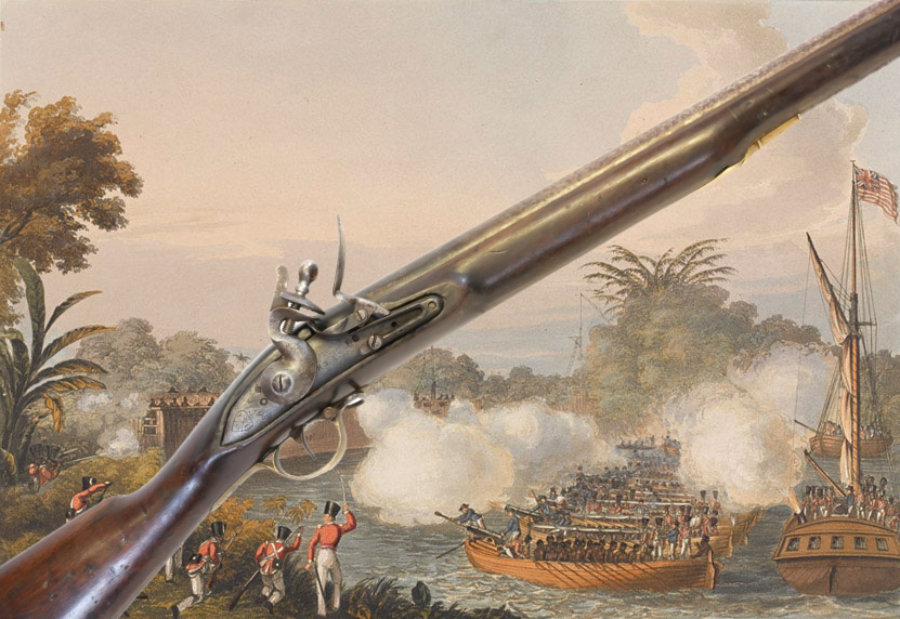
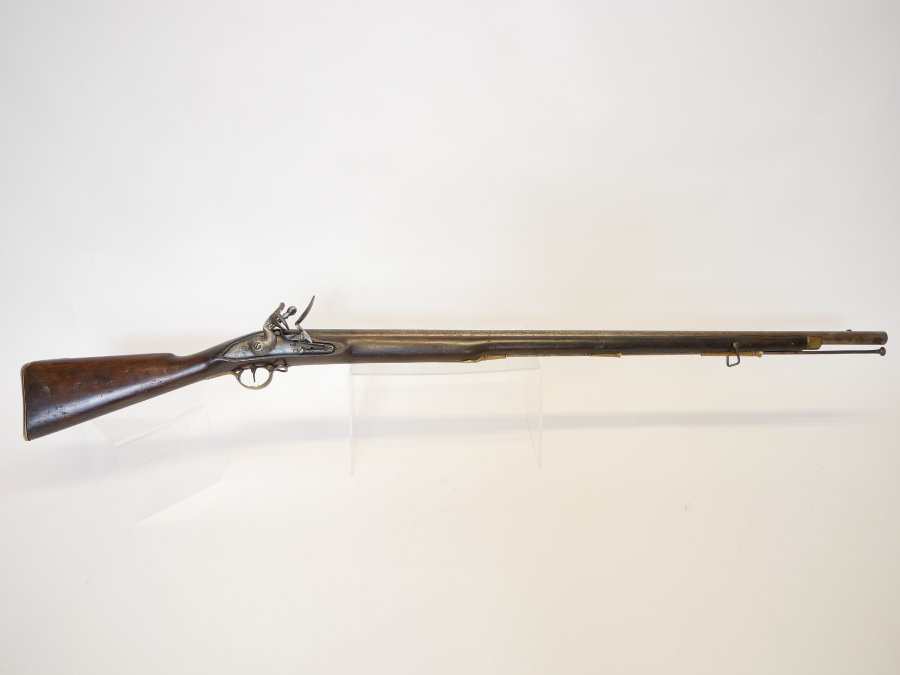
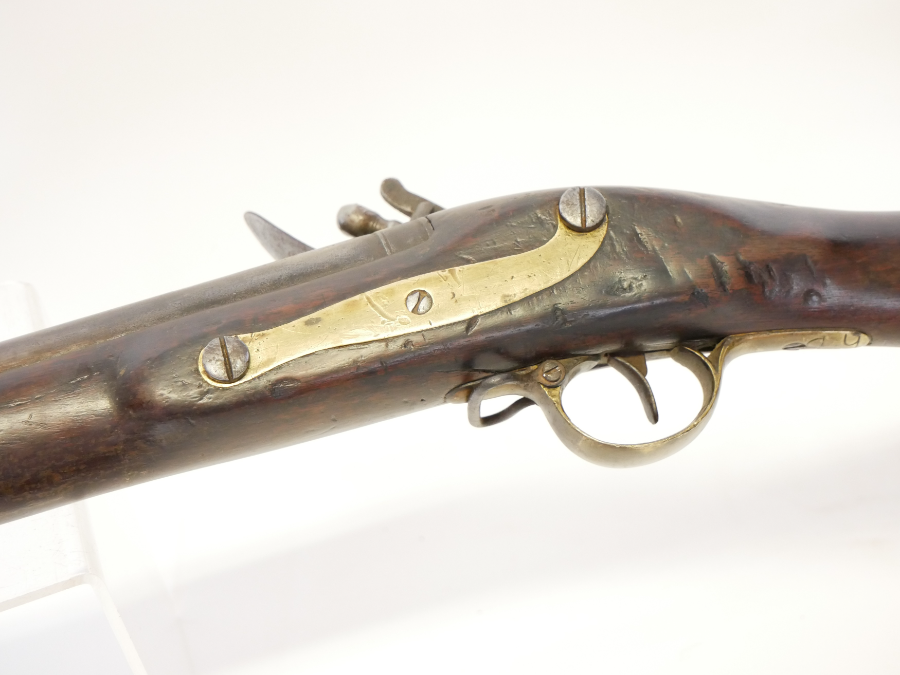
18th Century Brown Bess Musket
This item has been purchased.
Interior Decoration Generator
Use our AI-powered visualisation tool to see how furniture and décor could look in your home. Upload a photo of your room and the system will place the selected item into the scene.
Experiment with interior design ideas before making a decision and see how pieces may work with your room’s space, lighting, and style.
A free account is required so we can securely process your images and save your visualisations for later comparison.
Images are generated using AI and are intended as a visual guide only. Colours, proportions, and placement may not be perfectly accurate.
Login/Create a free account to continue

Choose Up To 4 Antiques
Select a type, period, and item for each slot. Your AJAX-loaded item preview appears immediately, and the full room renders below when the user clicks generate. This visualisation is generated using AI and is intended as a guide only. Placement, scale, and appearance may not be 100% accurate.

Description 🔉
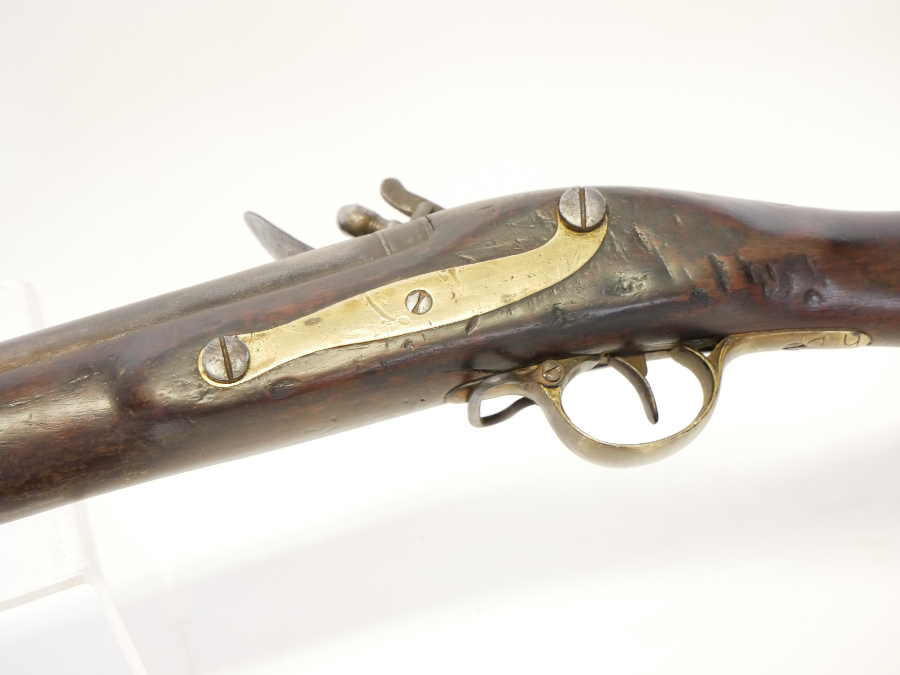
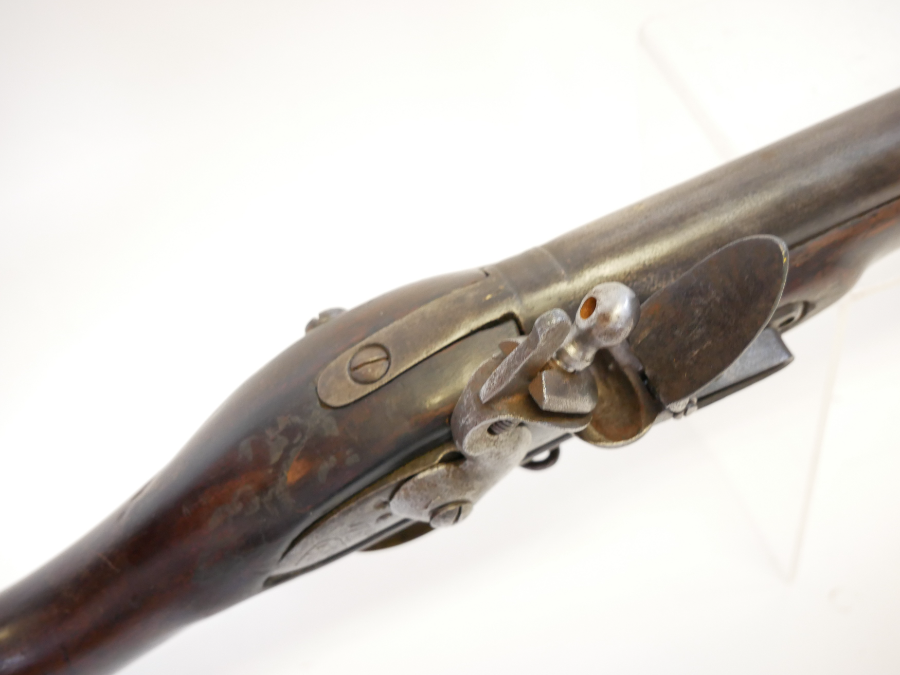
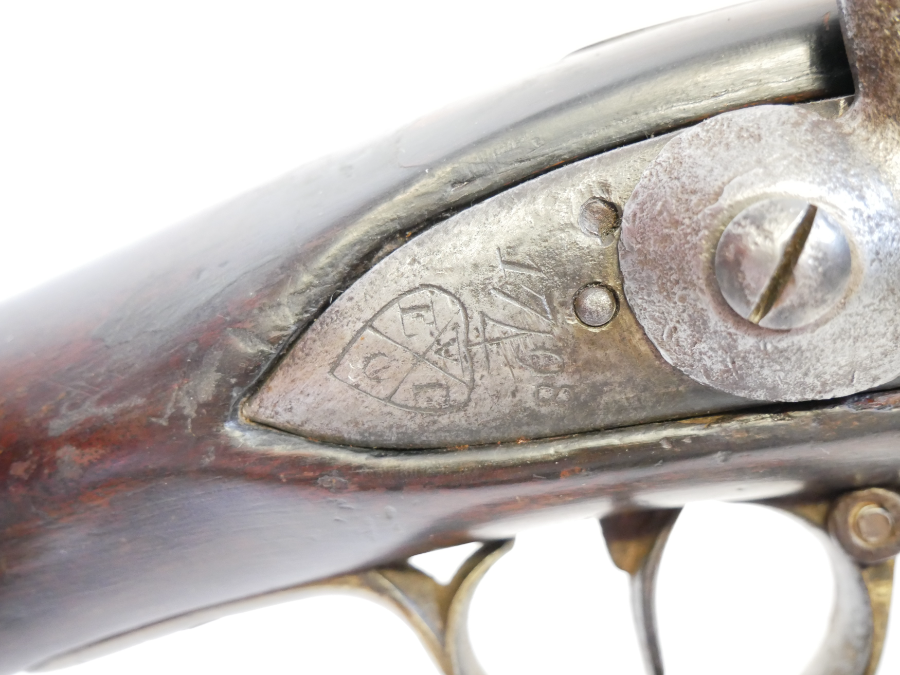
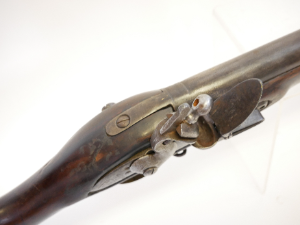
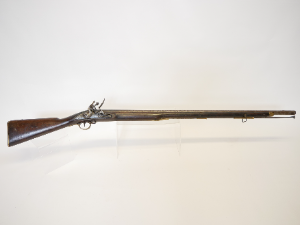
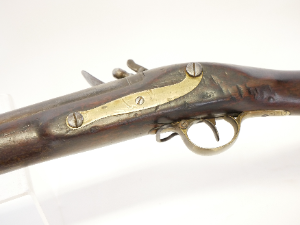
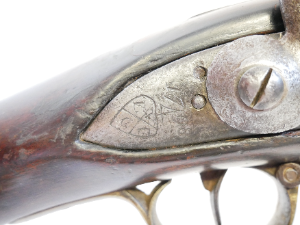
East India Company (EIC), .750 Brown Bess New India Pattern Flintlock Musket; 39-inch barrel; the lock made by Rea, dated 1798; features the EIC crest; fitted with brass furniture; the stock bears Indian arsenal marks.
Frequently Asked Questions
What is a Brown Bess Musket?
The Brown Bess was the standard-issue musket of the British Army from the early 18th century through to the early 19th century. It became one of the most iconic military firearms in British history and saw service across countless conflicts, including the Napoleonic Wars and the American War of Independence. The most recognised version was the Infantry Pattern, fitted with a 39-inch barrel, although a number of other variants were produced for use by the Navy, Artillery, and Cavalry. The Brown Bess was a smoothbore musket, meaning the inside of the barrel was smooth and lacked the spiral grooves found in rifled weapons. Because the ball was not spun as it travelled through the barrel, the musket was less accurate than a rifle but considerably faster to load and more practical for mass infantry warfare.By comparison, rifles such as the Baker Rifle used rifling grooves to spin the projectile, greatly improving accuracy and range. However, period terminology can sometimes be confusing, as historical documents occasionally refer to rifles as “rifled muskets” — a term which became more common later in the 19th century.
Is this the Gun Richard Sharpe used?
No. Richard Sharpe famously carried a Baker Rifle throughout much of the Sharpe series by Bernard Cornwell. As a soldier in a rifle regiment, Sharpe would have been issued the Baker Rifle, which was considered highly advanced for its time due to its improved accuracy and longer effective range compared with the standard musket. The Baker Rifle did, however, have a slower reload speed than the commonly issued Brown Bess musket. Throughout the novels, Sharpe is occasionally placed in command of line infantry units whose soldiers carried Brown Bess muskets rather than rifles.
Did the East India Company see action?
Yes. An outdated view still exists within some collecting circles that East India Company weapons are less historically significant or less interesting than their British Army counterparts, partly because it is often harder to trace them to specific regiments or individual soldiers. In reality, the East India Company operated under the authority of the British Government, and its forces served extensively across the globe in some of the most significant and bloody conflicts of the 19th century. The Company maintained large armies in India, commanded by British officers and made up of both British and Indian troops. Due to the political instability of the region and the constant expansion of British influence, East India Company regiments were frequently deployed in military campaigns, often seeing continuous active service. These forces fought in major conflicts including the Anglo-Mysore Wars, the Anglo-Maratha Wars, the First Anglo-Afghan War, the Sikh Wars, and the Indian Rebellion of 1857. Service in India was particularly harsh during the early 19th century, with disease causing enormous casualties. Tropical conditions, along with illnesses such as malaria and cholera, claimed the lives of many soldiers stationed in East India Company territories, often at a higher rate than combat itself.
Digital Shop Viewer
Seller Details
VISIT SELLERS SHOPTAKE SHOP TOUR
- Business Name: Raven Yard Antiques Shop
- Name: Jan
- Email: Enquiries@raven-antiques.com
- Phone: 07454992481
- Website: https://raven-antiques.com
- Address:
- 21 Watergate, Whitchurch, Shropshire, UK.
- SY131DP
- Interested in Seeing Other Antique Shops Nearby?
- Note:
- Raven Yard Antiques Shop is a family run business located in the picturesque part of Shropshire in the Roman town of Whitchurch. We have a diverse selection of rare and historic goods to choose from. Please browse our online store or else visit our shop to see some of our amazing items.
Legal Note
For antique firearms such as muskets and rifles, this item is offered strictly as a collectors’ piece. It is sold as a historic firearm for display or study purposes only, and not as a modern, live-firing weapon. Export, import, and ownership regulations vary by country; buyers are responsible for ensuring compliance with their local laws and confirming that they are not prohibited from ownership. In accordance with UK guidelines, the seller is required to verify the buyer’s identification and age prior to completion of the sale. By purchasing antique weapons, the buyer is also consenting that they are not on a prohibited person register.
Newest Items.
SEE MORE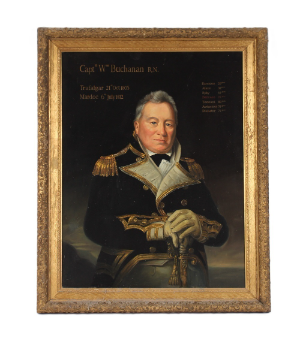
Product ID: 8801
Portrait Study - Captain William Buchana..., For Sale
Buy It Now: £895.00
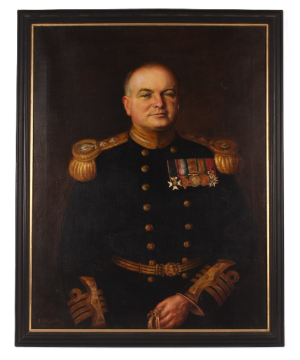
Product ID: 8800
Portrait Of Cpt. J.e.g. Cunningham Rn By..., For Sale
Buy It Now: £995.00
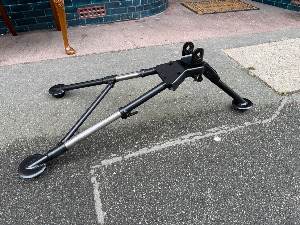
Product ID: 3743
Ww2 30 Caliber Tripod, For Sale
Buy It Now: £595.00
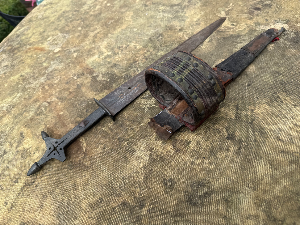
Product ID: 3741
Sudanese Arm Knife - Late 19th Century, For Sale
Buy It Now: £250.00
Product ID: 3740
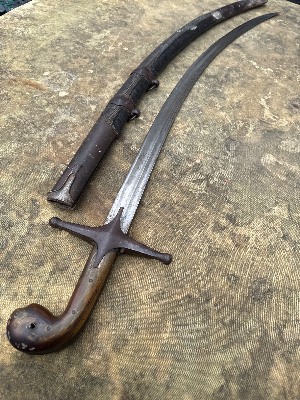
Early 19th Century Ottoman Kilij, For Sale
Buy It Now: £1,200.00
Product ID: 3729
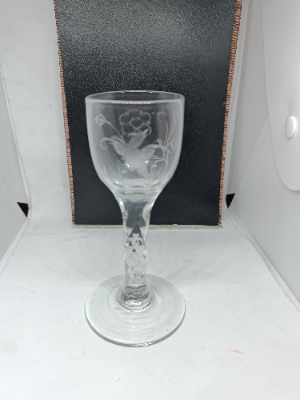
Antique Facet Cut Stem Georgian Wine Gla..., For Sale
Buy It Now: £200.00
Product ID: 3728
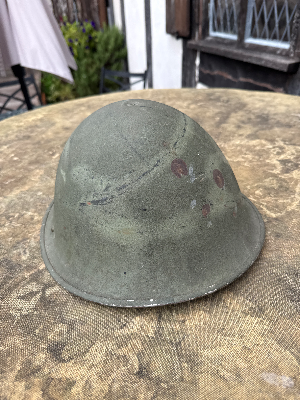
1952 Dated British Army Turtle Helmet, For Sale
Buy It Now: £30.00
Product ID: 3727
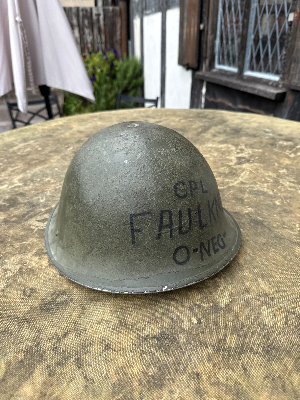
Raf Police Turtle Helmet Named, For Sale
Buy It Now: £45.00